
Retirement is often promoted as endless freedom, travel, slow mornings, and finally escaping the alarm clock. That image is appealing, but the quieter reality can feel very different.
Your daily structure disappears.
Your identity changes.
Your relevance can feel uncertain.
Excitement and unease often arrive together, which can be confusing and confronting. You question why you feel unsettled when you’re meant to feel relieved.
If this is happening, nothing is wrong. It just means a major life shift is unfolding beneath the surface.
The Hidden Identity Shock
The biggest surprise after leaving full-time work is not boredom. It is the sudden question of identity.
For decades, work provided structure, status, and a clear sense of being needed. Without it, a subtle retirement identity crisis can emerge, especially if you’ve built your self-worth around achievement and contribution.
Validation loops disappear overnight. Emails stop. Decisions slow. The loss of professional identity now feels like a loss of relevance, not just routine.
High achievers often face greater challenges because their sense of purpose after retirement was closely linked to their performance.
Life after work isn’t just about changing your schedule; it’s a major shift in your identity after 50, affecting both your emotions and your practical planning.
The Emotional Stages No One Warns You About
Retirement unfolds in waves, not a single splash. It begins with a mix of anticipation and relief.
Finally, the pressure lifts. Then arrives the honeymoon phase: travel plans executed, new hobbies checked out, sleep luxuriously extended.
But eventually, often around six months in, something shifts. Restlessness creeps in. Days feel flat, nothing like you expected. The psychological impact of retirement reveals itself gradually.
This emotional adjustment to retirement generally follows familiar patterns, although the timing can differ from person to person.
After restlessness comes recalibration: questioning assumptions, experimenting with new rhythms.
Eventually, reinvention emerges.
Understanding these retirement transition stages helps avoid panic when emotions fluctuate. Managing retirement feelings becomes simpler when you anticipate the ups and downs.

The Loneliness No One Talks About
The office offered more than just tasks: daily human contact was subtly part of each workday. Casual chats by the coffee machine about the weekends.
These small connections disappear overnight.
Loneliness in retirement surprises even those with strong marriages and good friendships. Partners cannot replace an entire social network.
Building social connections after age 50 requires deliberately nurturing relationships instead of passively allowing them to develop. As careers wind down, social circles tend to shrink naturally. The difference between choosing to be alone and feeling lonely unintentionally becomes painfully clear.
Retirement and relationships are crucial. Creating strong social ties after retirement involves finding ways to build social connections, ideally with like-minded people.
What do you enjoy doing?
What floats your boat?
Join groups that stoke your passion.
Schedule coffee dates like you did workplace meetings.
The connections that once happened automatically now require conscious effort. That’s not sad. It’s simply the new reality requiring new strategies.
The Danger of “Permanent Vacation”
At first, unlimited free time feels like a reward, especially after decades of deadlines and responsibilities.
But when each day is just a repeat of the same leisure activities, you’ll probably notice a growing sense of emotional dullness.
The brain quickly adapts to constant treats; what once felt special becomes background noise. Rest is essential, but rest without direction can leave a person feeling unmoored and oddly tired.
The difference between a satisfying retirement and a hollow one often comes down to purpose: feeling useful to someone or something. This is where “earned purpose” matters, whether through mentoring, volunteering, part‑time work, or that ‘something’ you’ve always wanted to do.
Enjoyment is important, but meaning is what makes the days feel worth getting out of bed for.
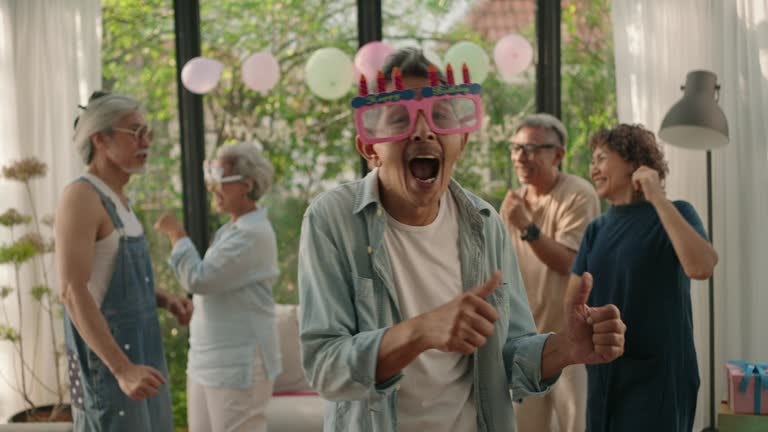
Reinvention: Designing the Second Act
Reinvention after full-time work is less about starting over and more about realignment. It involves redefining your purpose in ways that feel personally meaningful.
This could include a second-act career, mentoring, volunteering, or creative pursuits that give you a sense of fulfilment.
Instead of chasing achievement, the focus shifts toward alignment and satisfaction. The goal you have in mind is not as important as the process you’re involved in that gives you purpose.
Micro-goals replace career ladders and provide gentle structure.
Ask yourself:
- What problems still feel interesting?
- Where is usefulness still felt?
- What activities create energy rather than obligation?
- What is one of your daily ‘love to’ thoughts?
Life reframed after retirement works best when your choices reflect your values, not external expectations about what retirement should look like.
The Emotional Skillset for a Fulfilling Retirement
A good retirement is not built only on savings; it also involves emotional skills that can be learned and strengthened.
A rewarding transition is more about having the right mindset than planning perfectly.
Handling uncertainty becomes crucial because the old markers of progress are gone and new ones take time to appear. Building a structure without rigid rules helps: simple anchors like a morning activity, planned social time, and focusing on just one small goal for the day.
Be happy to be a learner again, not just an expert.
Maybe the most important thing is to see this phase as a time for continuous personal growth rather than a slow decline. It will change how you feel daily
These skills do not erase hard days, but they make it far more likely that retirement becomes a season of growth rather than quiet resignation.
Retirement Isn’t an Ending
Retirement is a sign of growth, not stepping back. The mixed emotions that come with this change are completely normal and part of the journey.
The idea of retirement has changed. This chapter can offer depth, purpose, and real fulfilment. It just needs a different way of navigating than before. The path is being made as you go. Uncertainty naturally becomes part of the journey.
What’s a gem of an idea you’ve always wanted to ‘give it a go’?
BONUS: Lifelong learning boosts happiness. So says a new survey from USF’s Fromm Institute. Key stat: 82% of people 50+ who returned to the classroom reported “improved life satisfaction,” plus “expanded social networks, improved mental health, and a stronger sense of purpose.”