
“Life is not about finding yourself. Life is about creating yourself.” — George Bernard Shaw
For decades, your life had a certain rhythm.
The alarm clock, the commute, the deadlines, the meetings, the familiar faces of colleagues.
Then, one day, it just stops.
This newfound freedom can be exciting, but it can also be followed by a quiet, unsettling question: What’s next?
This transition is more than just a financial change; it’s also an emotional and psychological journey. Many people experience anxiety, or even a sense of loss, as their professional identity shifts and fades.
Thriving in retirement isn’t about finding new ways to stay busy. It’s about intentionally building a life that feels meaningful and provides genuine emotional well-being.
The Emotional Side of Retirement
Retirement can be a real mix of emotions. All those years, your job probably shaped your routine, your social life, and even the way you introduced yourself.
The rhythm of scheduled days and clear responsibilities goes away almost overnight.
Suddenly, you’re left creating your own structure, which isn’t always as easy as it sounds.
Many new retirees share how they sometimes feel like they’ve lost a part of themselves. The change in their role — no longer receiving work emails or holding titles — can leave them wondering about their place in the world. It’s pretty normal to ask, “Who am I without my job?”
These feelings are common, and it takes time to find your new normal.
One retiree I bike with, Alan, shared, “It took about a year before I figured out what I wanted my days to look like. At first, I felt like I was just drifting.” Jane, a retired teacher, puts it this way: “The hardest part was realising I still needed something meaningful to get me out of bed in the morning.”
Retirement marks a new chapter, not just a date on your calendar. Taking the time to adjust emotionally is so important, and it’s natural to experience some ups and downs along the way.
The key is to be kind to yourself and keep your heart open as you embrace this exciting new phase of life.
Redefining Identity and Purpose
Retirement is a wonderful opportunity to explore who you are outside your job title.
Many of us find that our sense of identity was more connected to our careers than we realised, and it’s natural to feel a bit unsure without that link.
But this is also an exciting time for growth — by simply asking yourself,
Who am I now?
You open up new possibilities. Starting to redefine your purpose can be really what you’re about.
What activities give you energy, fun, or a sense of peace? Asking these questions can help you discover more about yourself and promote personal growth.
If you’ve been a team leader for years, you might find fulfilment in mentoring others or volunteering for a cause close to your heart.
The aim isn’t just to change your career, but to reconnect with what genuinely makes you feel alive.
Your sense of purpose in retirement will evolve over time. It doesn’t have to be grand or change the world — it could be as simple as helping a neighbour, learning to play an instrument or joining or creating a band. More quality family time.
Your identity isn’t lost when work ends; it’s rewritten.
“The purpose of life is a life of purpose.” — Robert Byrne
Rediscovering Your Passions and Interests
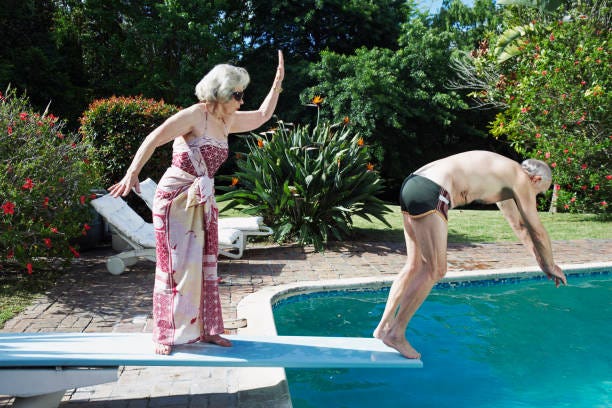
Retirement opens the door to rediscovering old passions and exploring new ones!
Whether it’s painting, writing, gardening, or outdoor adventures, doing these activities brings back an awesome sense of fun and creativity.
- What used to spark your enthusiasm before work became such a big part of your life?
- What hobbies have you always wanted to give a go?
- Is there a hidden skill you want to have fun with and don’t care how it works out?
Taking the opportunity now to explore these passions can bring a lot of joy.
When you wake up, your thoughts are, “What is something I can do different today?”
This must become part of your daily routine!
For example, John, a retired accountant, began building furniture in his garage and now sells his pieces at local markets. Helen, a nurse, started taking photography classes and turned her travel photos into an online gallery.
Retirees find a sense of fulfilment in turning their passions into a source of income — like teaching yoga, doing part-time consulting, or selling their beautiful handmade crafts.
Engaging in these types of activities makes you feel connected, whether it’s to yourself or to others, to the world around you.
Setting Goals for a Fulfilling Post-Retirement Life
Retirement isn’t “one big vacation.” Meaningful living is about setting goals that keep you engaged, growing, and connected.
Once you have a clearer sense of your identity, you can start building a new structure for your life. The key is to avoid the pressure to find a single, grand “purpose.”
Suggest focusing on setting small, achievable goals across different areas of your life. Think of it as creating a “purpose portfolio” with a balanced mix of activities that bring you joy and meaning.
Some key areas to get you going:
Mental Exercise: Your brain is a muscle that needs exercise. This doesn’t mean you have to enrol in a degree at a university, although it is an option.
It could be as simple as learning a new language with an app, joining a social club of like-minded people, or taking a free online course on a topic you’ve always been curious about.. The point is to stay interested and engaged with the world.
Physical Health: Your health is your backbone for everything else. Keep it simple to start off, like taking a daily 30-minute walk, trying a new healthy recipe each week, or joining a local yoga or tai chi class. The energy and mobility you get from staying active is crucial for creating the lifestyle you’d like for the next 25-plus years.
Social Connection: Work provides a built-in social network. In retirement, you have to be more intentional about building and maintaining connections. Maybe have lunch with a friend weekly, be part of a community that has weekly activities, like lawn bowls, or reconnect with family members.
Contribution: Feeling useful and part of something is a basic human need. Think about volunteering for a local charity, mentoring a young professional, or helping a neighbour with a project.
An old cliche, but true still; retirement is a marathon, not a sprint. The more you balance structure with freedom, the more fulfilling it becomes. Purpose doesn’t need to be complex — it just needs to feel right for you.

Building Emotional Resilience and Connection
Emotional well-being in retirement depends heavily on resilience. Without the structure of work, it’s easy to feel isolated or insecure. Building resilience helps you adapt to change and maintain emotional stability through life’s ups and downs.
A huge part of this is establishing new routines.
It may sound contradictory, but a key to a healthy, positive retirement is having a daily structure.
You design your day, one that you created with your long-term purpose in mind.
Practising gratitude, mindfulness, or meditation helps you stay present and calm. These small routines build strength over time.
Community and friendship are your greatest assets. Since work friendships often fade, it is vital to get new ones. Joining clubs, taking classes, or attending community events are excellent ways to meet people with common interests.
Don’t underestimate the power of casual connections, like the person you see at the dog park every morning or the group you meet at the coffee shop.
Purpose after retirement isn’t something you discover overnight. It’s something you build, day by day, through small, intentional actions.
It’s now about experimenting with new routines, building meaningful relationships, and staying open to learning and growth.
Thriving in retirement means living with purpose, not just passing time.
“Do not stop thinking of life as an adventure. You have no security unless you can live bravely, excitingly, imaginatively; unless you can choose a challenge instead of competence.” Eleanor Roosevelt