
This isn’t about adding years to life, but life to years.
If you’re in your 50s, you know the feeling. That nagging back pain that wasn’t there last year. The afternoon energy crash hits harder than it used to. The realisation that you can’t eat pizza at midnight and feel great the next morning. Your body’s “check engine” light is flashing, and it’s completely normal.
This isn’t a sign you’re falling apart. It’s actually perfect timing for an upgrade.
This is your opportunity to build a better operating system for the next 30 years.
The goal isn’t just living longer — it’s living better, stronger, and more actively for decades to come.
The Crucial Mindset Shift: From Fixing Problems to Building Resilience
In our younger years, health was all about bouncing back. We could pull a late night or overdo it on the weekend and recover quickly. But as we get older, the game changes. It’s no longer about bouncing back; it’s about building a deep reserve of strength and energy.
Think of these habits not as chores, but as investments in your future freedom. This is the work that allows you to say yes to travelling, to keep up with grandkids, and to have the energy to learn new things.
It’s about creating a body and mind that are resilient enough to carry you through an active and exciting next chapter.
The 5 Habits for a Powerful Boost
Habit #1: Train for Life, Not Just the Gym
The Goal: Keep your muscles strong and your body mobile.
The “why” is simple — after 50, we naturally lose muscle, a condition known as sarcopenia. That loss affects balance, energy, and even metabolism.
Without strength, daily life — from lifting groceries to climbing stairs — becomes harder.
But we can fight back.
Training isn’t about six-packs or heavy lifting; it’s about staying capable and confident in everyday movement.
Your First Step: This week, choose one strength exercise like squats or push-ups and practice it twice. Even bodyweight moves count. The goal isn’t perfection, but consistency.
Strength is the basis of independence, and building it now pays off with every step you take later.
Habit #2: Embrace “Productive Discomfort”
The Goal: Keep your brain sharp by nudging it outside of autopilot.
Just like muscles, the brain thrives on challenge. Routines and familiarity can lead to mental stagnation, but taking on new and even slightly uncomfortable tasks can fire up fresh connections.
This “productive discomfort” keeps you agile, adaptive, and engaged.
Your First Step: Skip the vague idea of “learn a language.” Instead, try brushing your teeth with your non-dominant hand, taking a new route to the store, or listening to a podcast on a subject you know nothing about.
The point isn’t mastery; it’s stretching your brain beyond its comfort zone. Those small jolts keep your mind flexible for decades to come.

Habit #3: Curate Your “Vitality Circle”
The Goal: Surround yourself with people who lift you up.
Research shows that social isolation can be as harmful as smoking when it comes to long-term health. As retirement approaches, many work-related friendships naturally fade.
Purposeful relationships aren’t just nice to have; they protect both your mental and physical health.
This isn’t about being a social butterfly; it’s about intentionally connecting with people who lift you and make you feel good.
Your First Step: Forget the clichéd advice to “make new friends.” Instead, schedule a call or coffee with someone who energises you. It could be an old friend, a sibling, or a neighbour you enjoy chatting with.
Quality beats quantity, and one genuine, uplifting conversation can do more for your health than you realise.
Habit #4: Fuel for Longevity, Not Just for Fullness
The Goal: Shift your plate toward foods that fight inflammation and boost energy.
After 50, low-grade inflammation becomes the hidden driver of many age-related conditions, including joint pain and heart disease.
The “why” here isn’t about dieting or restriction — it’s about fueling your body so it stays vibrant and resilient.
Think of food as your daily medicine cabinet.
Your First Step: Skip the complicated overhauls. For one meal each day this week, make sure half of your plate is colourful vegetables. The brighter the colour, the higher the nutrients. Add berries, leafy greens, or roasted carrots.
These small, colourful choices fight inflammation, improve energy, and make your meals more satisfying. Nourishment, not deprivation, is the key.
Habit #5: Schedule Your “Why”
The Goal: Anchor your daily choices in a sense of purpose.
Studies show that people with a clear reason to get out of bed in the morning live longer, healthier lives.
Without a “why,” exercise and healthy eating can feel like chores. With one, they become tools to fuel your goals. The “why” doesn’t have to be grand. It could be wanting to explore new places, to dance at a grandchild’s wedding, or to keep painting or gardening well into your 80s.
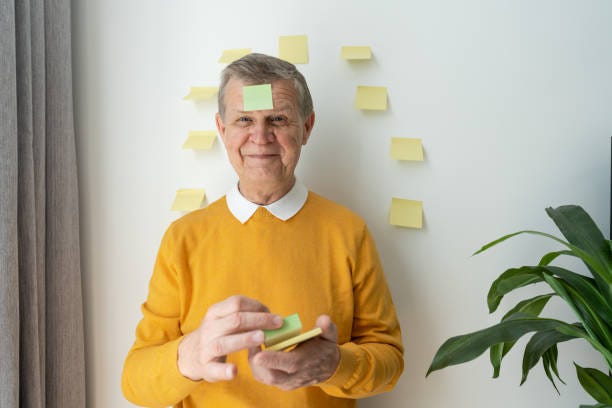
Your First Step: This week, write down one reason that motivates you to stay active and tape it somewhere visible — on the fridge, the bathroom mirror, or your phone screen.
Purpose gives energy, and energy sustains habits.
The Compound Effect: How These Habits Create Your Power Years
On their own, each habit makes a difference. Together, they create a powerful ripple effect.
Strength training supports mobility, which makes it easier to travel and stay social. Good food fuels your workouts and sharpens your mind.
Strong connections lower stress and give purpose to daily routines.
Within weeks, you’ll notice small wins: more energy, better sleep, less stiffness. Over months, those wins compound into lasting independence.
This isn’t about adding years to your life — it’s about adding life to your years.
Imagine your post-50s years not as a time of decline, but as your “power years,” built on the habits you choose today.
The calendar doesn’t define your next 30 years; they’re shaped by the habits you choose today. Staying strong, sharp, and connected isn’t luck; it’s a daily commitment to small, doable steps.
The message is simple: your health and vitality aren’t slipping away.
They’re waiting to be built, one habit at a time. Don’t aim to master all five right now.
Pick the one that speaks to you and try its “First Step” for a week.
That’s all it takes to start.